Importance of Thoracic Mobility
Thoracic mobility and core stability is incredibly important when it comes to athletics, especially those with running, swinging, and overhead throwing. Why is that, though? Well, today we are going to talk about the mobility piece of the equation.
Thoracic mobility, most notably extension and rotation individually or together, are incredibly important to minimize overloading healthy tissues in the surrounding areas. Unfortunately, in our lifestyles today, we spend a lot of time with our shoulders rounded and our thoracic spines in a flexed position – looking down at our phones, typing on computers, sitting in unsupported chairs and couches, even driving… This posture often leads to a multitude of problems, one of which being thoracic spine hypomobility, or stiffness. This hypomobility increases the risk of injuries in the surrounding tissue if not properly managed.
Have you ever heard the phrase, “forces take the path of least resistance?” This is true even in the body. When a motion or force reaches an area of stiffness, it will often find a path of least resistance to have somewhere easier to go instead. With the example of the thoracic spine, that path is typically above (shoulder and/or upper extremity) or below (the lumbar spine and/or hips). This added stress can create problems for these tissues by pushing them beyond their threshold, or even by exacerbating pre-existing issues.
Let’s further break this down. Say you are an avid golfer. You are all lined up to swing – feet apart, elbows tucked in, trunk leaning forward. You go into a back swing, then propel forward, striking the ball and following through for a picturesque finish. It’s only after you have seen where your ball fell that you recognize an ache in your lower back, or maybe your hip. While it is possible to be from a direct problem in those areas, it is also likely to be pesky thoracic spine stiffness causing increased strain on those areas. That extra force might have been enough to irritate what might be healthy and normal tissue, or, again, irritate an already existing injury.
So what do we do about it?
To fix a mobility problem, we need to make it a point to offset our lifestyle and posture with movement and mobility training.
Where to start:
Small lifestyle changes
Getting up more frequently throughout the day
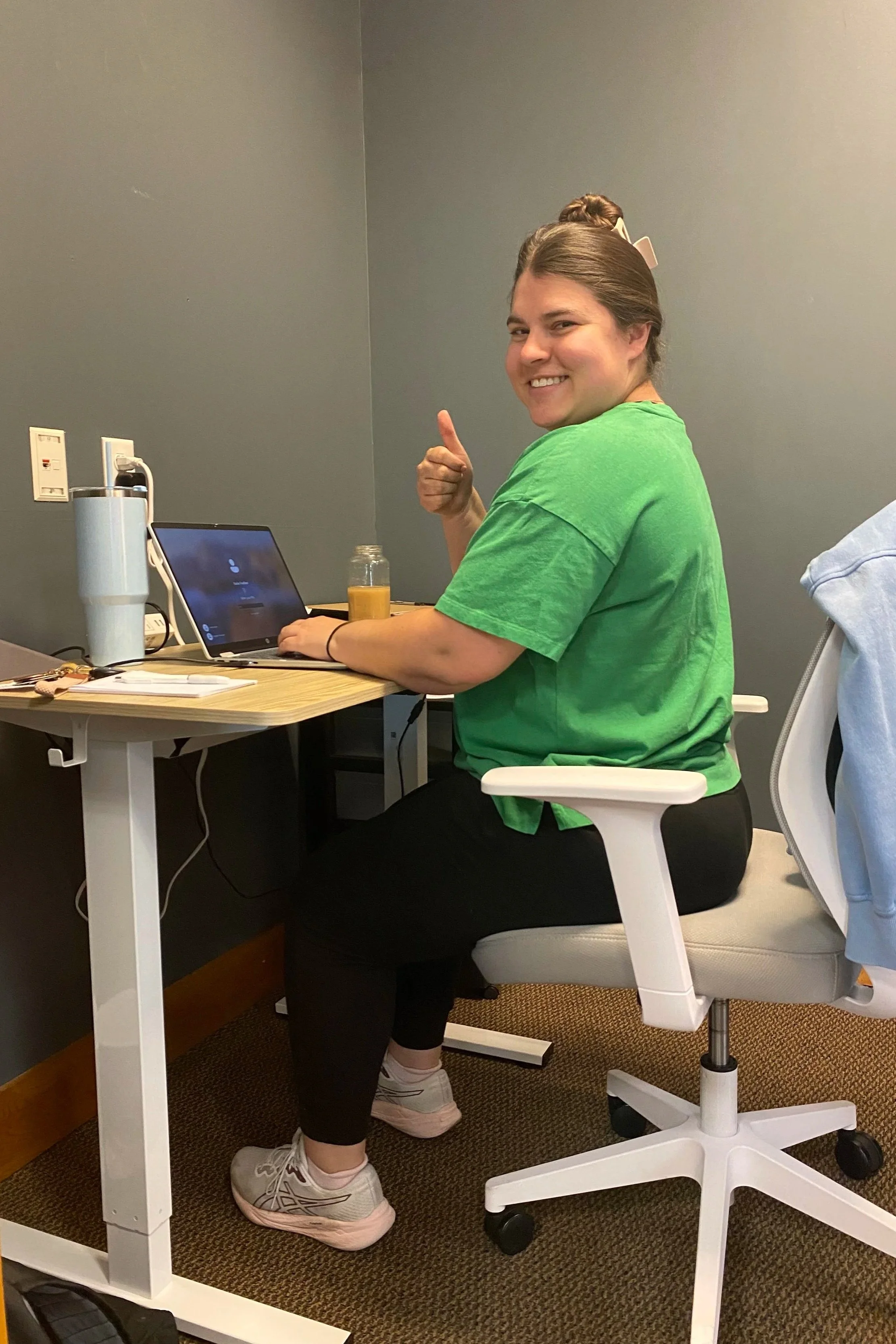
Changing positions → invest in a standing desk to be able to switch between sitting and standing
Chair set up → tall sitting = knees below hips = better and easier spine posture
2. Global exercise
Walking
3. Isolated extension and isolated rotation, postural openers
Extension mobility → foam roller extensions, prayer extensions
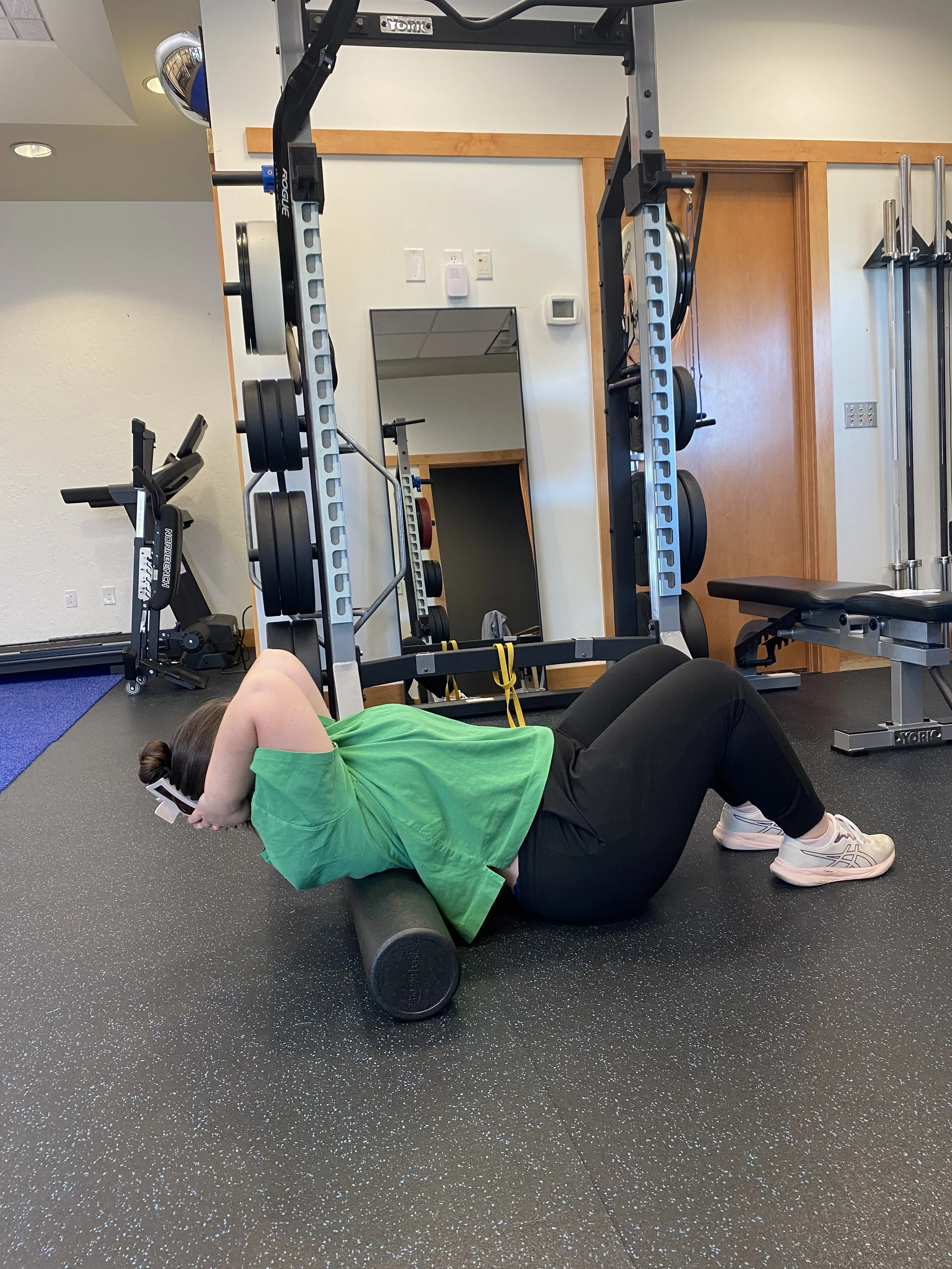
Foam roller extension
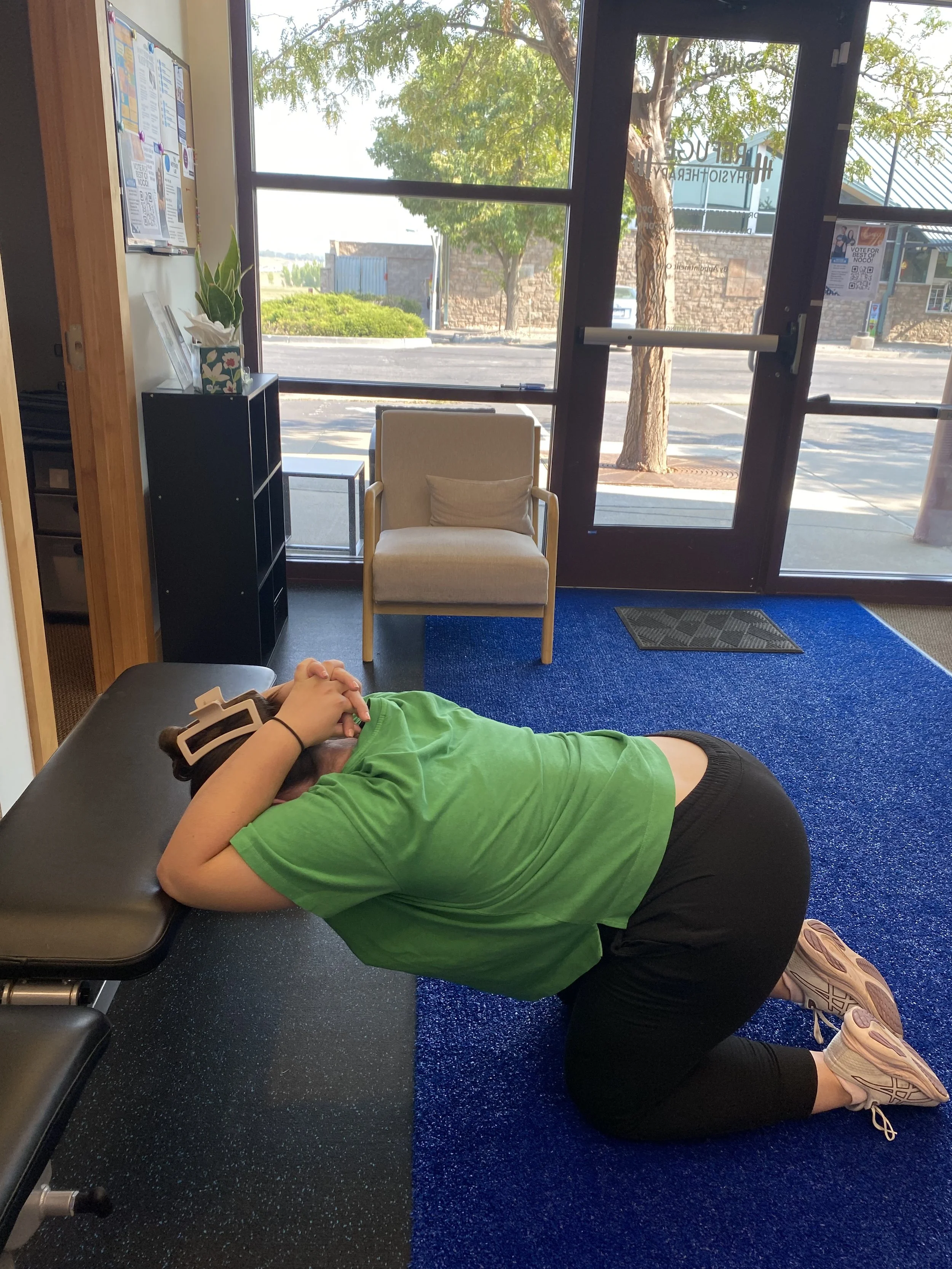
Prayer Extensions
Rotation →open books
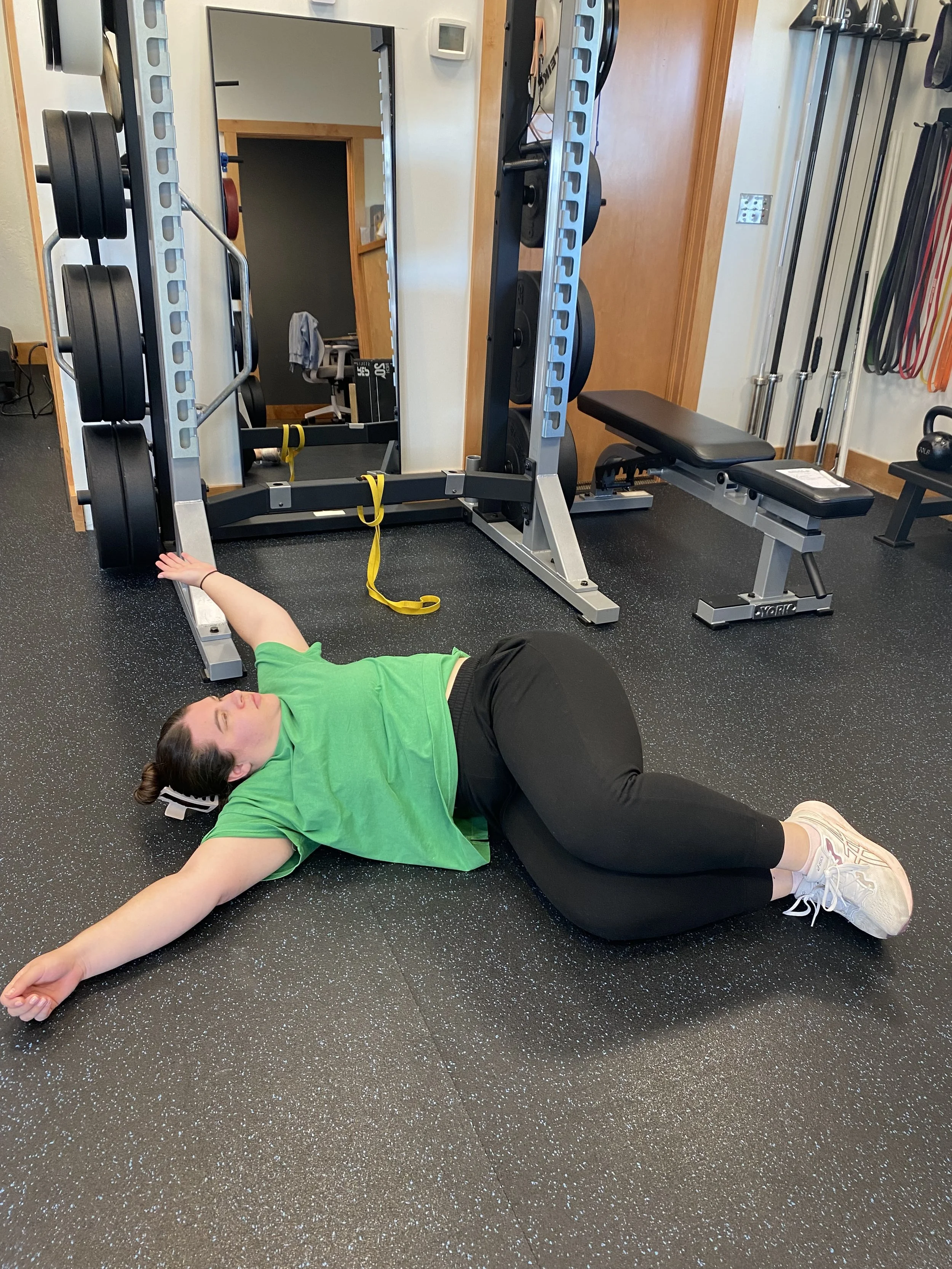
Postural openers → doorway pec stretch, foam roller pec stretch
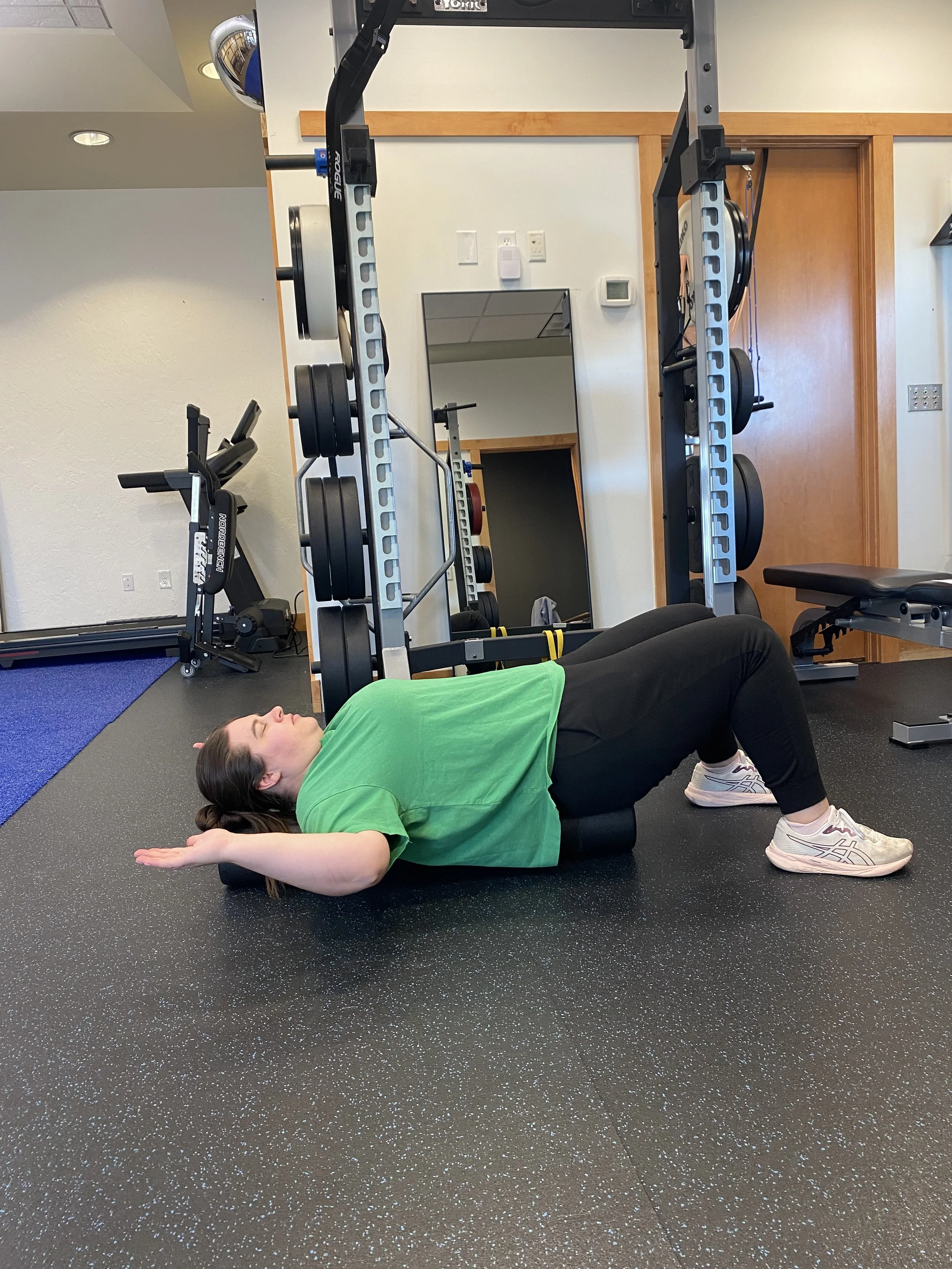
4. Combination training
Quadruped thoracic rotations with a single arm shoulder retraction → can be assisted with a band
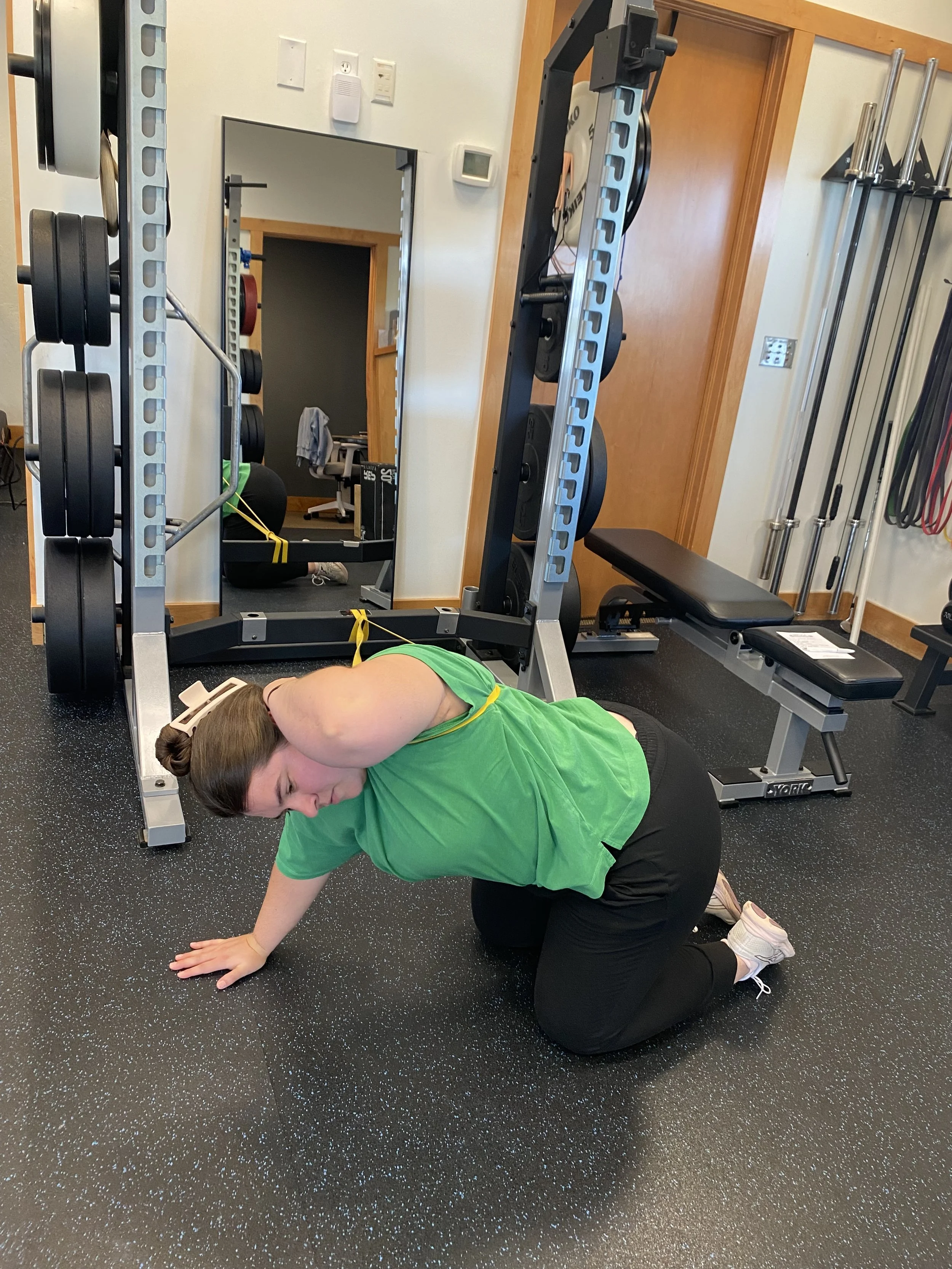
Strengthening → single arm lat pull down
Physical therapist assisted mobilization*
5. Core stability and rotation training → stay tuned for pt.2 in the next blog!
***If you have been struggling with any of these issues including pain, stiffness, and/or lack of mobility, or you just want to improve your athletic performance, schedule an appointment below to get individualized treatment options from your PT plus manual therapy to help improve your mobility!***